Destinations: Lusaka → Lower Zambezi → Canoe Safari → Wildlife Viewing

Accomodation

Provided

Meals

Full board

Transportation

Tour van

Group Size

1-20

Language

English

Pets

No pets

Age Range

12-70 (Year)

Season

All year

Category

Adventure

Tour Itinerary

Expand All +
  • icon
    Arrive Lusaka / Kariba — Transfer to River Base
    Lusaka International Airport → Chirundu border / Kariba · ~2–3 hrs by road
    River LodgeEquipment check
    • Fly into Lusaka (Zambia) or Harare (Zimbabwe) — both are gateways to the Lower Zambezi
    • Road transfer to Chirundu (Zambia) or Kariba (Zimbabwe) — the two main river launch towns (~2–3 hrs)
    • Alternatively: fly directly into Kariba Airport (KAB) from Harare (45 min) — closest airport to the river
    The Zambezi River — Africa's fourth longest river (2,574km), flowing from Zambia through Zimbabwe, Mozambique to the Indian Ocean. The Lower Zambezi section between Kariba Dam and Cahora Bassa is one of the last undisturbed stretches — no bridges, no roads, no settlements on the national park banks. Just wilderness.
    • Arrive at river base lodge — check in, meet your lead canoe guide and support team
    • Pre-trip safety briefing — hippo avoidance protocol, capsizing procedure, crocodile rules, and radio communication
    • Equipment issue: canoe paddle, personal flotation device (PFD), dry bag, and river hat
    • Pack your dry bags for 7 nights on the river — camp team carries the supply canoe and all camping equipment separately
    • Evening at lodge — final hot shower, cold beer, dinner briefing for the next 7 days on the water
    • Watch the Zambezi at dusk from the lodge deck — first hippos emerge from the water at sunset
    Lodge · Zimbabwe side
    Kariba Breezes Hotel
    Lake Kariba · Overlooking the lake · Pool · Restaurant · Good base for Zimbabwe-side launch ·
    · Book one night only
    ★★★★
    Lodge · Zambia side
    Gwabi River Lodge
    Chirundu, Zambia · On the Zambezi · River views · Tented chalets · Pool · Restaurant ·
    · Popular canoe safari launching point
    ★★★★
    Dinner (lodge incl.)Welcome drinks
    Packing for 7 river nights: You live from a dry bag. Pack only essentials — 2–3 lightweight shirts, quick-dry trousers, swimwear, fleece for cold evenings, headlamp, sunscreen, insect repellent, and your camera in a waterproof pouch. Everything must fit into one 60L dry bag. Leave hard luggage at the base lodge.
    Launch Day — First Paddle into the Wilderness
    Chirundu / Kariba launch point → First sandbank camp · ~22km
    Paddle ~22kmHippo navigationSandbank camp
    • Early breakfast at lodge at 6:00am — final preparations before launching onto the river
    • Load canoes at the riverbank — guide assigns paddling partners and explains the day's paddle plan
    • Launch onto the Zambezi by 7:00am — the river at dawn is glassy, cool and full of mist rising off the water
    The first paddle — within 15 minutes of launching you will pass your first hippo pod. The guide signals: paddle quietly, wide berth, no sudden movements. Hippos watch you from the water with small ears and eyes. Crocodiles slide off the banks. An elephant drinks on the far shore, ignoring you completely. This is Africa at its most raw.
    • Navigating the first hippo pods — guide reads the river ahead, uses hand signals to redirect the group around hippo territories
    • Pass the Chewore Safari Area (Zimbabwe bank) — one of Africa's largest unfenced wilderness areas begins here
    • First close elephant encounters at the water's edge — paddle silently past herds drinking and bathing at the bank
    • Mid-morning stop on a sandy beach — stretch legs, brew tea on a gas burner, guide discusses the wildlife seen
    ~22km
    Day's paddle distance
    4–5 hrs
    Active paddling time
    Easy
    Fitness level required
    • Afternoon paddle through the first serious hippo channels — guide navigates the line between the pods and the far bank
    • Arrive at the first sandbank camp by 4:00pm — the support team has paddled ahead and set up tents on a white sand island in the river
    • Sun-downer: cold beer or gin poured by the guide as you watch the Zambezi go amber in the evening light from your sandbank
    • Campfire dinner on the sandbank — three-course meal cooked over fire by the camp chef: soup, grilled tilapia or camp stew, dessert
    • Sleep in a dome tent on the sandbank — the sound of the river, hippo grunts, and hyena calls through the night
    Sandbank Camp (all river nights)
    Riverside Sandbank Fly Camp
    2-person dome tent on river sandbank · Sleeping mat + bag · Bucket shower heated over fire · Flush-free bush toilet · Campfire dining · Full board · Operator-supplied · Guide sleeps in camp
    Luxury upgrade option
    Stretch Camp (premium operators)
    Some operators (Natureways, Zambezi Canoe Co.) offer luxury mobile camps with proper camp beds, solar lights, proper flush toilets, wine, and multi-course chef dinners on the sandbank ·
    Lodge breakfastRiver lunch (sandbank)Campfire dinner incl.
    Hippo rule #1: If a hippo submerges near your canoe — paddle hard to shore immediately and wait. A submerged hippo can surface directly under a canoe. Your guide will make the call on direction — follow instantly, no questions. This happens regularly and is managed calmly by experienced guides.
    Chewore to Mupata — Deep Wilderness Paddle
    Chewore Safari Area → Mupata Gorge approach · ~25km · Zimbabwe / Zambia border river
    Paddle ~25kmElephant herdsBush walkSandbank camp
    Morning on the Zambezi sandbank — you wake to the sound of the river lapping at the sand a few metres from your tent door. A fish eagle calls from across the water. Hippos yawn loudly as the river fills with golden morning light. The chef has already brewed coffee. This is the best morning routine in Africa.
    • Wake at 5:30am — coffee and biscuits served at the campfire as the camp is packed around you
    • Launch onto the river by 6:30am — paddling in the cool of the morning before the heat builds
    • Morning light on the Zambezi is extraordinary — low sun angles create a golden mirror effect on the water
    • Paddle along the Zimbabwe bank through the Chewore Safari Area — one of the largest game management areas in Africa, almost never visited by tourists
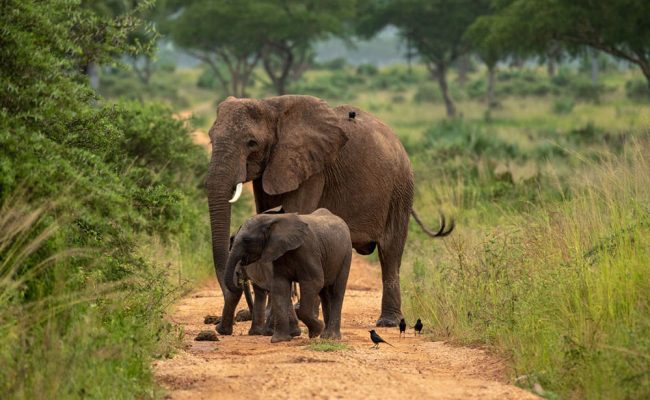
    • Elephant encounters multiply — herds of 40–80 animals move through the riparian forest to drink, swim, and wallow in the shallows
    • Buffalo herds at the waterline — massive dagga boy buffalo bulls wade belly-deep, cooling in the river beside your canoe
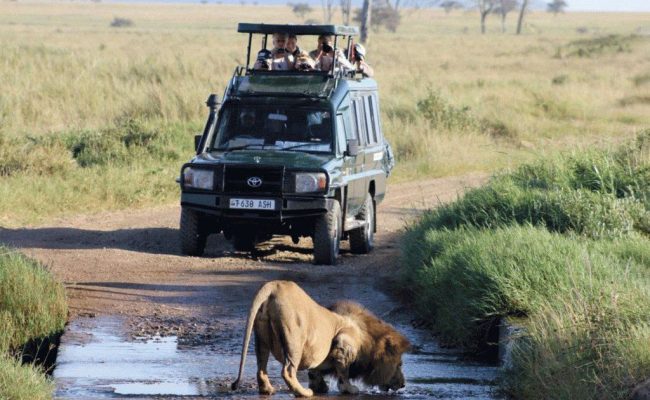
    • Lion sightings from the canoe — lions regularly drink from the river at dawn and late afternoon; hearing them roar across the water at night from camp is an experience unlike any other
    Midday bush walk on the Zimbabwe bank — pull canoes onto a sandbank, have lunch, then take a 90-minute armed bush walk into the mopane woodland with your guide. Read spoor (tracks) in the soft sand, examine elephant dung, crouch near termite mounds, and understand the bush at ground level — a complete change of perspective after two days on the water.
    • Guided walk on the Zimbabwe bank (armed guide, maximum 1 hour) — track lion, elephant, and waterbuck spoor through riparian forest
    • Afternoon paddle — the river widens as it approaches the Mupata Gorge section
    • Tiger fish sightings in the faster water — the Zambezi's most prized sport fish, known for explosive aerial strikes
    • Arrive second sandbank camp by 4:00pm
    Sandbank Camp
    Mupata Approach Sandbank
    Mid-river sandbank island · Good elephant viewing bank opposite · Campfire · Bucket shower · Chef-cooked dinner · Hippo calls all night · Full board
    Fishing highlight
    Tiger Fish Evening Session
    Guide rigs light tackle rods at camp — cast into the fast water adjacent to the sandbank at dusk · Tiger fish are explosive fighters · Catch-and-release · Equipment provided
    Campfire breakfastSandbank lunchCampfire dinner incl.
    Wildlife from a canoe vs vehicle: The canoe approach is fundamentally different from a game drive. You approach wildlife from the water at the same level — elephants do not register you as a threat the same way they do a vehicle. You can drift within 15 metres of a drinking herd in total silence. This produces intimate encounters impossible from a 4WD.

    Mupata Gorge — The River's Most Dramatic Section
    Mupata Gorge · Steep basalt walls · ~20km · Fastest water of the trip
    Gorge paddleTiger fishingCliff wildlifeGorge camp
    Mupata Gorge — the river narrows dramatically as it cuts through an ancient basalt ridge. Steep black rock walls rise 60–80 metres on both sides. The current quickens. The water turns from brown to deep blue-green in the shadows. Klipspringer antelope stand on the cliff ledges looking down at you. African hawk-eagles nest in the walls above.
    • Enter the gorge at 8:00am — the landscape transformation is immediate and dramatic
    • Paddle through the gorge section (4–6km) — current assists; guide calls line and stroke rhythm through the faster sections
    • Klipspringer on the cliff ledges — watch them pick their way impossibly across vertical rock above the river
    • Nile monitor lizards sunning on black rocks at the waterline — some over 1.5m long
    • African hawk-eagle nest visible on a cliff ledge — guide uses binoculars to spot chicks if in season
    • Batoka Gorge-style acoustics — the cliffs amplify every sound; hippo calls echo back and forth
    Tiger fish (Hydrocynus vittatus) — the Zambezi's apex sport fish. Muscular, razor-toothed, and savage fighters that leap repeatedly when hooked. The Lower Zambezi is regarded as one of the top three tiger fish destinations on the continent. Afternoon fishing is done directly from the canoe or from a sandy bank in the gorge outflow.
    • Gorge outflow fishing session — guide anchors canoes in the current at the base of the gorge where tiger fish concentrate in fast water
    • Spinning or fly-fishing with light tackle rods — guide provides equipment and instruction for first-timers
    • Catch-and-release only — all fish returned to the river
    • Also look for: vundu catfish (giant), nkupe (silver fish), and bream in the calmer gorge pools
    • Camp set up below the gorge on the widest sandbank of the trip — dramatic views back up into the black cliff walls at sunset
    Gorge Sandbank Camp
    Mupata Gorge Outflow Camp
    Wide sandbank below the gorge exit · Dramatic cliff backdrop · Deep blue water at the bank · Strong current means fewer hippos · Camp fire grilled fresh-caught bream (if successful) · Full board
    Evening highlight
    Night sounds of the gorge
    The gorge amplifies night sounds — lion roars, hyena whoops and hippo grunts echo off the basalt walls. One of the wildest camping nights of the entire safari. Sleep is optional.
    Campfire breakfastGorge lunch (packed)Campfire + fresh fish dinner
    Tiger fish tip: Fish the gorge outflow early evening (5:00–6:30pm) rather than midday — tiger fish feed aggressively at last light when the water temperature drops. Bring polarised sunglasses to spot fish lying in the current before casting.
    Kanyemba Flats — The Big Elephant Country
    Post-gorge floodplains · Kanyemba area · ~25km · Widest river section
    Paddle ~25kmBig elephant herdsBirdingIsland camp
    Kanyemba flats — below the gorge the river expands into wide braided channels, islands, and floodplains. This is the heart of elephant country on the Lower Zambezi. In the dry season (June–October) herds of 200–400 animals converge on the river, swimming between islands, feeding on the riverine vegetation and digging for minerals in the bank.
    • The longest paddle day — 25km through wide open channels with multiple braided routes; guide chooses the channel with best wildlife activity
    • Elephant swimming across the river — one of the great Zambezi spectacles; entire herds swim in deep water, only trunks visible above the surface
    • Pull onto a sandbank for tea while a herd of 150+ elephants feeds 40 metres away in the riverine forest — a silent, extraordinary encounter
    • Hippo-heavy sections — Kanyemba has extremely high hippo density; the guide's reading of hippo behaviour is most critical here
    The Lower Zambezi is a birding paradise — the river corridor supports over 350 species. Paddling silently through the water produces bird encounters impossible from a vehicle: African skimmer racing the canoe bow, carmine bee-eater colonies nesting in the cliff banks, pel's fishing owl hunched in a fig tree, and the iconic African fish eagle calling from every tall tree.
    • African skimmer — glides inches above the water, lower mandible cutting the surface for fish
    • Carmine bee-eater colonies — nesting in sandy bank burrows (Aug–Oct), thousands of scarlet birds in flight
    • Pel's fishing owl — rare, enormous, and nocturnal; guide knows the territories along this section
    • African fish eagle, goliath heron, saddle-billed stork, woodland kingfisher, yellow-billed oxpecker on hippos
    • Camp on a large vegetated island mid-river — 360-degree river and bush views, completely surrounded by moving water
    Island Fly Camp
    Kanyemba Mid-River Island
    Camp on a vegetated island in the centre of the river · Natural game fence of water on all sides · Large hippo pool visible from camp · Elephant swim past the island in the evening · Full board
    Evening activity
    Sunset canoe drift
    After camp is set up, take a 45-min guided evening drift in the canoes — no paddling, just drifting with the current in the golden light watching hippos and crocodiles return to the water
    Campfire breakfastSandbank lunchIsland campfire dinner
    Bird photography tip: The canoe is the best possible bird photography platform — you approach roosting herons, kingfishers, and bee-eaters at eye level from the water without disturbing them. Bring a lens of at least 200mm and keep it in a dry bag between your knees, ready to deploy in seconds.
    Enter Lower Zambezi National Park
    Zambia's Lower Zambezi NP · Escarpment backdrop · ~22km · Big cat country
    Paddle ~22kmBig catsLions at the bankPark camp
    Lower Zambezi National Park — 4,092 km² of Zambia's finest wilderness, established in 1983. The dramatic Zambezi Escarpment rises 600m directly behind the floodplain, creating a spectacular visual backdrop. This section of river has one of Africa's highest concentrations of elephant and is legendary for its lion and leopard sightings along the bank.
    • Cross into the national park from the Kanyemba area — the Zambia bank becomes the primary wildlife corridor
    • The escarpment wall rises dramatically to the north — the river valley is hemmed between this cliff and the Zimbabwe bank mountains
    • Lion sightings at the waterline — park lions regularly come to drink at dawn and dusk; seeing a pride at the bank from a canoe at eye level is extraordinarily intimate
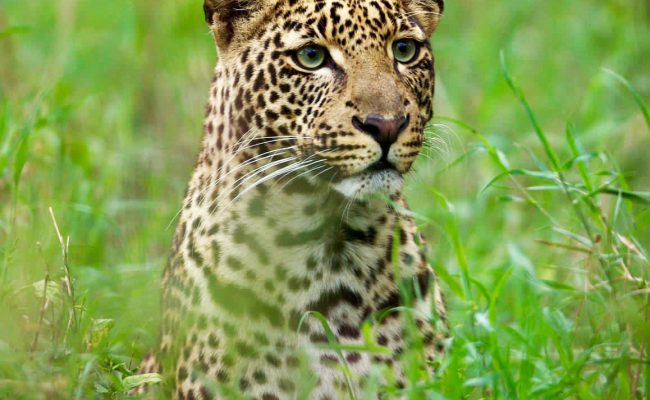
    • Leopard in the Ana trees — the tall riverine Ana trees along the bank are prime leopard territory; guides search every suitable tree
    • Wild dog crossing the river — the Lower Zambezi NP has a recovering wild dog population; river crossings are occasionally witnessed
    • Paddle along the Zambia bank beneath the escarpment — the geological scale of the valley becomes apparent
    • Look for klipspringer and baboon troops on the escarpment face above the river
    • Waterbuck at the bank — the shaggy-coated, white-ringed waterbuck is one of the most common sightings along this section
    • Camp on the bank directly below the escarpment — fall asleep looking up at the cliff face lit by the setting sun
    Bank Camp · National Park
    Lower Zambezi NP Escarpment Camp
    Tents on the river bank within the national park · Escarpment backdrop · Armed park guide joins the camp overnight · Elephant may walk through camp at night — stay in tent if this occurs · Full board
    Upgrade option · Night 6
    Chiawa Camp or Old Mondoro
    Two of Africa's most celebrated bush camps · On the Zambezi bank in the Lower Zambezi NP · Proper beds, en-suite, gourmet food ·
    · Worth upgrading for one lodge night mid-trip
    ★★★★★
    Campfire breakfastRiver lunchCampfire dinner incl.
    Night in the national park: Animals walk freely through the camp area overnight. Your guide sleeps in camp and will wake you if something significant is close. Stay in your zipped tent after dark unless your guide is with you. Elephants passing within metres of tents is common — do not use torches or make sounds that might startle them.
    inal Full River Day — Mvuu Pools & Last Campfire
    Lower Zambezi NP · Mvuu area · ~20km · Penultimate river night
    Final full paddleMvuu hippo poolsTiger fishingFinal camp
    Day 7 feeling — by now the river is home. You read the hippo pods before your guide signals. You hear the fish eagle before you see it. You know which stroke angle produces the cleanest turn. The Zambezi has taken seven days to fully absorb you — and tomorrow it ends. Today you paddle hard, look at everything twice, and try to lock in every detail.
    • Final dawn launch — the last full morning on the water, paddling through the Lower Zambezi NP heartland
    • Mvuu Pools section — one of the highest hippo densities on the entire river; guide navigates around massive pods of 30–60 animals
    • Mvuu means "hippo" in Nyanja — the name is earned every time you pass through
    • Final tiger fishing session — afternoon casting in the fast water below a sandbar
    • Last bush walk — 90-minute walk from the river's edge into the Ana tree forest with the park guide
    • Arrive at final sandbank camp by 3:30pm — the support team has prepared a celebration camp
    • Extended sundowner session — guides pour drinks and the group reflects on 7 days of the river together
    • Final campfire dinner: the camp chef produces the best meal of the trip — 3 courses including fresh tiger fish (if caught) or nyama (camp-grilled game meat), dessert, and coffee
    • Guide shares the river's oral history — the Tonga people displaced by Kariba Dam, the history of the Zambezi Valley, stories of encounters on previous trips
    • Sleep under the stars for the last time — no tent fly, just sleeping bag under the open Zambezi sky
    Final Sandbank Camp
    Mvuu Area Celebration Camp
    Best campsite of the trip — wide sandbank, good swimming hippo-free bay, fire pit built large for the final night · Chef produces celebratory dinner · Full board · Star-sleep option (no tent)
    Full board incl. all 7 nights
    All meals throughout the safari
    All camp breakfasts, lunches and dinners are included · Drinking water treated and provided · Tea, coffee, soft drinks, and one sundowner drink per evening included · Additional alcohol extra cost
    Campfire breakfastSandbank lunchCelebration campfire dinner
    Last night tradition: Most canoe safari operators have a tradition of guides performing a song or telling a story around the final campfire. Tip your guide and chef on the last night — cash in USD, ZAR, or Kwacha is accepted. A standard tip for a 7-night trip is $20–30/day for the lead guide, $10–15/day for the chef and support crew.
    Take-Out Day — Last Paddle → Depart
    Final paddle to take-out point · Road transfer to Lusaka or Livingstone
    Short final paddleTake-out lodgeLivingstone option
    • Wake at 5:30am for the last time on the Zambezi sandbank — final sunrise over the river
    • Short 2–3 hour morning paddle to the take-out point near Jeki or Chirundu — savour every last stroke
    • Beach the canoes at the take-out — guides and support team begin packing all river equipment
    • Group photograph at the river's edge — 7 days, 160km, the Zambezi behind you
    • Road transfer to Lusaka (~3 hrs) or Livingstone (~4 hrs) for onward travel or Victoria Falls extension
    Victoria Falls — the world's largest waterfall (1,708m wide, 108m drop) is 4 hours' drive from the Lower Zambezi take-out. Adding 1–2 nights at Livingstone (Zambia) or Victoria Falls town (Zimbabwe) is a natural extension after a river safari — the Falls are on the same Zambezi you just paddled, 300km upstream. Local name: Mosi-oa-Tunya — "the smoke that thunders."
    • Livingstone, Zambia — Zambia-side views of the Falls from Devil's Pool on Livingstone Island (seasonal)
    • Victoria Falls town, Zimbabwe — Zimbabwe side has the broader main-fall views and Rainbow Falls walk
    • Optional activities: white-water rafting on the Zambezi gorge below the Falls, bungee jumping from the bridge, sunset cruise, elephant-back safari
    Hotel · Zambia side
    The Royal Livingstone Hotel
    On the Zambezi bank · 300m from the Falls · Zebra and giraffe on the lawn · Sundeck over the river · ~$400–700/night · Most atmospheric hotel at the Falls
    ★★★★★
    Hotel · Zimbabwe side
    Victoria Falls Hotel
    Historic colonial hotel built 1904 · Overlooking the gorge bridge · Garden views of spray cloud · ~$250–450/night · Classic, old-world atmosphere
    ★★★★★
    Final camp breakfastTake-out lunch (lodge)Livingstone dinner
    Victoria Falls timing: Peak water flow (April–June) creates the most dramatic mist and sound but obscures the Falls behind spray. Low water (September–November) reveals the full rock face and allows swimming at Devil's Pool on the lip of the Falls. The canoe safari season (April–November) dovetails perfectly with both Falls experiences.

Include Features

Exclude Features

  • 8 days of adventure
  • Memorable sights and experiences