Duration: 15 Days / 14 Nights

Destinations: Arusha → Tarangire → Lake Manyara → Serengeti → Ngorongoro → Zanzibar

15-Day Tanzania Safari & Zanzibar Itinerary

A classic East African journey combining Tanzania’s greatest wildlife destinations with a tropical island finale.


Arusha (Arrival)

Your safari begins in Arusha, the bustling gateway city at the foot of Mount Meru. This is where you acclimatize, meet your guides, and prepare for the wilderness ahead. The town has a lively market culture and serves as headquarters for most northern Tanzania safari operators.


Tarangire National Park

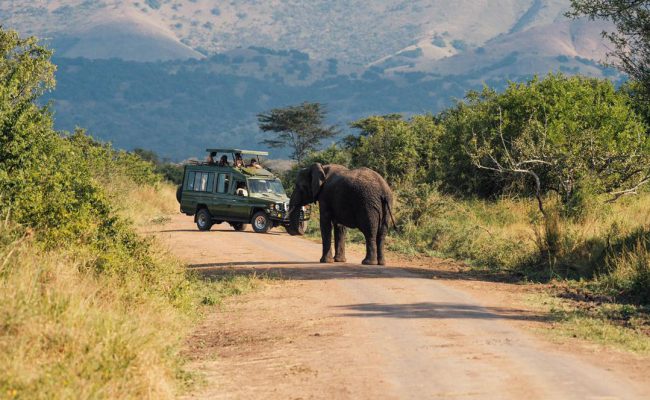
Named after the Tarangire River — the only permanent water source in the area — this park draws enormous elephant herds during the dry season, making it one of Africa’s best elephant-watching destinations. Ancient baobab trees dot the golden landscape, and the park is remarkably uncrowded compared to its famous neighbors. Expect lions, leopards, zebras, wildebeest, and an exceptional diversity of birdlife.


Lake Manyara National Park

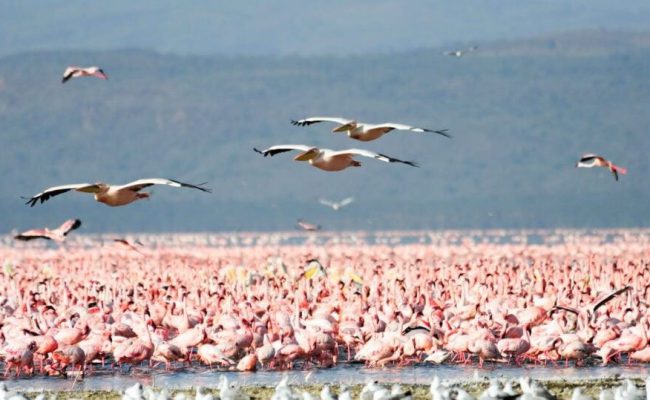
A compact but extraordinarily diverse park nestled between the Great Rift Valley escarpment and a soda lake that turns pink with thousands of flamingos. Lake Manyara is famously home to tree-climbing lions — a rare behavior seen here and almost nowhere else. The dense groundwater forest at the park’s entrance shelters baboons, blue monkeys, and large herds of buffalo.


Serengeti National Park

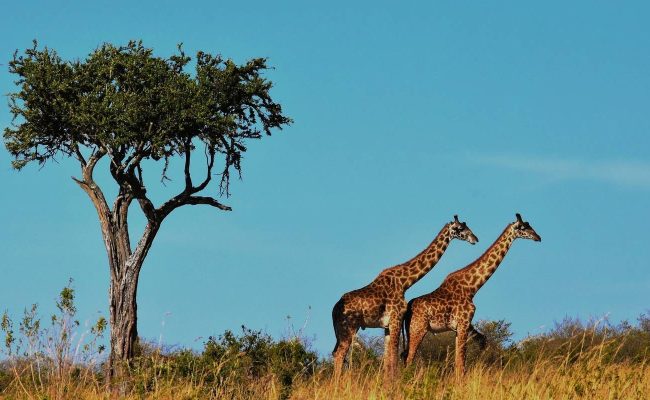
The crown jewel of Tanzania and one of the most iconic wildlife destinations on earth. The Serengeti’s endless grass plains support the Great Migration — over two million wildebeest, zebras, and gazelles moving in a continuous cycle across the ecosystem. Depending on the time of year, you may witness dramatic river crossings, calving season, or the spectacle of predators following the herds. Big cat sightings — lion, leopard, and cheetah — are outstanding year-round.


Ngorongoro Crater

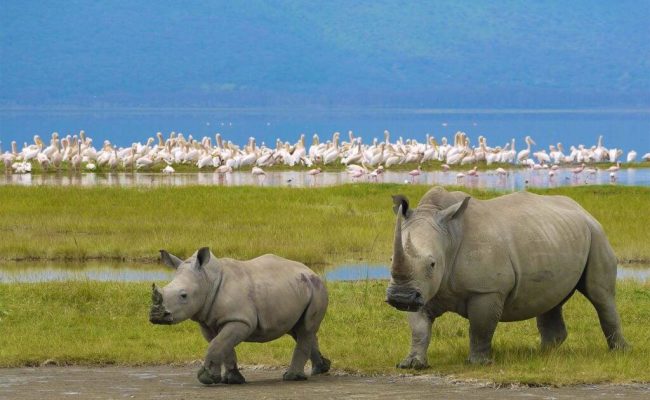
A UNESCO World Heritage Site and one of the natural wonders of the world. The Ngorongoro Crater is the world’s largest intact volcanic caldera, sheltering a self-contained ecosystem of roughly 25,000 animals within its walls. Black rhino, lion, elephant, hippo, and vast herds of wildebeest and zebra live here in remarkable density. The scenery — descending into the crater floor with its shimmering soda lake — is simply breathtaking.


Zanzibar

The perfect reward after days in the bush. This spice-scented archipelago off Tanzania’s coast offers powdery white sand beaches, turquoise Indian Ocean waters, and Stone Town — a UNESCO-listed labyrinth of Arab, Persian, Indian, and African architecture. Spend your final days snorkeling coral reefs, exploring spice plantations, wandering historic alleyways, and unwinding at a beachfront lodge. A seamless contrast to the raw wilderness of the mainland.

2 Days Akagera National Park Safari 

3 Days – Lochinvar NP Bird-Watching Excursion 

4 Days Zambia-Livingstone Explorer 

5 Days Tanzania Safari (Small Group)

 6 Days – Explore Etosha, Swakopmund and Sossusvlei | Private Guided Camping

Sossusvlei, Swakopmund and Etosha National Park 7 Days / 6 Nights

8 Days Discover Rwanda Gorillas, Chimps, Dian Fossey Tour (Exclusively Private)

9 Days – Zambia: Enjoyable Mwezi Travel Expedition

10 Day Ultimate Uganda Safari

Kafue NP South to North – 11 Days / 10 Nights

12 Days Luxury South Luangwa, Lower Zambezi & Victoria Falls

13 Days Safari + Zanzibar

Wild West Zambia – 15 Days / 14 Nights

Accomodation

Provided

Meals

Full board

Transportation

Tour van

Group Size

1-20

Language

English

Pets

No pets

Age Range

12-70 (Year)

Season

All year

Category

Adventure

Tour Itinerary

Expand All +
  • icon
    Arrive Arusha — Africa's Safari Capital
    Kilimanjaro International Airport (JRO) · Arusha city · ~1 hr transfer
    City orientationLocal marketArusha lodge
    • Land at Kilimanjaro International Airport — Tanzania e-Visa ($50) available on arrival or pre-arranged online
    • Transfer to Arusha (~1 hr) — the drive through the foothills of Mount Meru sets the scene immediately
    • Check in to lodge — safari briefing with your guide; discuss interests, photography goals, cultural priorities
    Arusha — Tanzania's safari capital sits at 1,400m between Kilimanjaro and Mount Meru, almost exactly midway between Cairo and Cape Town. It is a bustling, energetic city where Maasai warriors in red shukas shop alongside businesspeople in suits — a vivid introduction to modern Tanzania.
    • Arusha Cultural Heritage Centre — the finest collection of Tanzanian tribal art, Tingatinga paintings, Maasai jewellery, Makonde carvings, and Zanzibar chests in the country; also a useful overview of Tanzania's 120+ ethnic groups
    • Maasai market walk — outdoor market near the clock tower where Maasai women sell beaded jewellery; a genuine working market, not a tourist setup
    • Arusha National Park viewpoint drive (if time allows, 35km from town) — colobus monkeys, giraffe, and Kilimanjaro on the horizon
    • Dinner in Arusha — try Stiggy's restaurant or The Dragon Pearl for a welcome meal
    Lodge · Luxury
    Arusha Coffee Lodge
    Working coffee plantation · Beautiful gardens · Pool · Excellent restaurant · 20 min from airport ·
    · Best in Arusha
    ★★★★★
    Hotel · Mid-range
    Outpost Lodge Arusha
    Quiet garden setting · Pool · Good food · Close to town ·
    · Excellent value · Very comfortable
    ★★★★
    Dinner (restaurant)Welcome drinks
    Arusha — Deep Maasai Cultural Day
    Maasai boma visit · Cultural immersion · Arusha market · Mto wa Mbu village
    Maasai bomaVillage lifeMto wa Mbu market
    The Maasai — one of Africa's most iconic peoples, the Maasai have maintained their pastoral traditions, red shukas, elaborate beadwork, and cattle-centred lifestyle in the face of enormous change. The Arusha region sits inside historical Maasai territory — the bomas (villages) around the base of Mount Meru are genuine communities, not tourist constructions.
    • Morning drive to a Maasai boma (village) 30–40km outside Arusha — arranged through your guide with community consent and a community fee paid directly to the village
    • Meet the laibon (Maasai spiritual elder) — discussion through interpreter about Maasai cosmology, land rights, and relationship with wildlife
    • Warrior (moran) demonstrations — traditional jumping dance (adumu), spear throwing, fire-making using two sticks and dry grass
    • Women's beadwork session — Maasai women create their intricate jewellery using a specific symbolic colour code; blue for sky and God, red for warrior blood, white for peace and cattle's milk
    • Walk the homestead: mud-and-dung tukuls, the central cattle enclosure (boma), the goat kraal, and the meeting tree where elders gather
    • Community school visit — if school is in session, meet the children and the teacher; school donations are welcomed
    Cultural context — Maasai cattle economy
    For the Maasai, cattle are currency, status, and spiritual connection simultaneously. A warrior's wealth is measured in cattle, not money. Bride price (lobola) is paid in cattle. Cattle blood mixed with milk is consumed at important ceremonies. Understanding this transforms how you see the cattle throughout the safari ahead.
    • Drive to Mto wa Mbu ("river of mosquitoes") — a remarkably diverse market town at the foot of the Rift Valley escarpment with all 120 of Tanzania's ethnic groups represented
    • Guided village walk with a local guide — banana beer brewery, local restaurant kitchen, rice paddies, and Tingatinga art workshops
    • Mto wa Mbu market — buy fresh produce, local spices, Maasai blankets, and handmade crafts directly from the producers
    • Return to Arusha for dinner — final night in the city before the bush begins tomorrow
    Lodge · Second night Arusha
    Same Arusha lodge (Day 1)
    Two nights in Arusha avoids repacking on the cultural day · Pack safari bags tonight for an early departure tomorrow
    Alternative · En route
    Twiga Lodge, Mto wa Mbu
    Stay in Mto wa Mbu after the afternoon village walk · Saves 1 hour of driving tomorrow · Basic but comfortable ·
    Breakfast (lodge)Lunch (Mto wa Mbu local restaurant)Dinner (Arusha restaurant)
    Community fee protocol: Always pay village/boma access fees through your guide and directly to the village elder or community fund — never to individual warriors who may approach you. Agree the fee structure in advance with your guide. The standard is $20–40/person for a full boma visit, paid to the community fund.
    Arusha → Tarangire National Park
    ~118km southwest · ~2 hrs · Africa's elephant heartland
    Elephant herdsBaobab forestTented camp
    • Depart Arusha after breakfast — drive southwest through the Maasai steppe with Kilimanjaro appearing and disappearing in the clouds behind you
    • Enter Tarangire NP at the main gate — the landscape immediately transforms into a vast baobab and acacia savannah
    • Bush picnic lunch under an acacia tree on the banks of the Tarangire River
    Tarangire National Park — Tanzania's largest elephant population lives here. In the dry season, herds of 200–300 converge on the Tarangire River, the only permanent water for hundreds of kilometres. The ancient baobab trees — some over 1,500 years old — create one of Africa's most distinctive landscapes. Large lion prides, leopard, cheetah, wild dog (rare), and the entire cast of savannah species call Tarangire home.
    • Afternoon game drive along the Tarangire River — elephant families bathing, calves stumbling in the mud, bulls sparring at the water's edge
    • Ancient baobab forest — massive trees with hollowed trunks, some large enough to stand inside; several have faces carved into the bark over centuries by Maasai herders
    • Silale Swamp circuit — enormous wildlife concentrations at the swamp; giraffe, zebra, wildebeest, eland, oryx, hartebeest
    • Lions in riverine trees — Tarangire's lions, like Lake Manyara's, are known for resting in trees along the river
    • Sunset from a swamp-edge viewpoint — the light on the baobabs at dusk is extraordinarily photographic
    Tented Camp · Luxury
    Tarangire Treetops Lodge
    Treehouses built into giant baobabs · Enormous suites on stilts · Elephants visit camp at night · Full board ·
    · Most unique lodge in Tarangire
    ★★★★★
    Tented Camp · Mid-range
    Sanctuary Swala Camp
    Exclusive concession inside the park · 12 tents · Private wildlife area · Full board ·
    · Outstanding guiding and elephant access
    ★★★★★
    Breakfast (Arusha)Bush picnic lunchDinner (lodge incl.)
    Tarangire Full Day — Walking Safari & Second Game Drive
    Full day inside Tarangire · Morning walk + afternoon drive
    Walking safariFull day driveSecond camp night
    Walking safari in Tarangire — available through several lodge concessions bordering the park. Walking in the bush changes everything — you read tracks in the sand, examine dung for species and timing, hear the insects and birds that vehicle noise drowns out, and understand scale and danger at ground level. An armed guide leads; a maximum of 6 walkers. This is how safari felt before vehicles.
    • 6:00am departure — walking safari with armed guide (2–3 hrs in the cool of the morning)
    • Track lion, elephant, and impala prints in the soft riverbank sand
    • Learn to read termite mounds for age and species, dung beetles for ecosystem health, and vulture positions for predator kills
    • Giraffe at eye level — walking within 30 metres of giraffe in the open bush is an extraordinary experience impossible from a vehicle
    • Return to camp for breakfast — the walking safari appetite is legendary
    • Afternoon game drive exploring the northern circuit of Tarangire — less-visited area with higher probability of wild dog and cheetah
    • Tarangire River bird walk (30 min on foot near the vehicle) — yellow-billed stork, saddle-billed stork, African fish eagle, martial eagle, and the spectacular lilac-breasted roller
    • Evening return through the baobab forest at golden hour — photograph the ancient trees against the fading light
    Second night · Same camp
    Tarangire camp (Day 3)
    Two nights at Tarangire allows walking safari + full drive day without repacking · Request a dawn bush breakfast for the walking safari morning
    Budget option
    Maramboi Tented Camp
    Lakeside location · En-suite tents · Pool · Full board ·  · Excellent value · Walking safaris available from here
    ★★★★
    Bush breakfastLunch (lodge)Dinner (lodge incl.)
    Lake Eyasi — Hadzabe Bushmen & Datoga Tribe
    ~80km from Tarangire via Karatu · Lake Eyasi basin · Pre-dawn hunt
    Hadzabe huntDatoga smithsAncient cultures
    The Hadzabe — one of the last true hunter-gatherer communities on Earth, with an unbroken lineage going back 130,000 years. They live around Lake Eyasi in small bands of 20–30 people, hunt with handmade bows and poison arrows, gather berries and tubers, and sleep under the stars. They have no chiefs, no property, no agriculture, and share everything. Spending a morning with them is one of the most profound cultural experiences available anywhere in the world.
    • Wake at 4:30am — drive in darkness to the Hadzabe camp on the Lake Eyasi shore
    • Join the Hadzabe hunters for the morning hunt at first light — they move silently through the acacia scrub tracking birds, small mammals, and occasionally larger game with poisoned arrows
    • Observe fire-making with two sticks — the Hadzabe can start a fire in 30 seconds using a technique unchanged for 100,000 years
    • Honey collection — Hadzabe men locate beehives in tree hollows using honeyguide birds as guides, smoke the bees with burning bark, and extract raw honeycomb
    • Women's gathering session — observe the gathering of baobab fruit, tubers, and berries with digging sticks
    • Participate in their morning meal — share what was hunted and gathered, cooked on an open fire
    Cultural note — respectful engagement
    The Hadzabe are not a performance. They are living this life because they choose to, not because they are unable to change. They are extraordinarily proud people. Follow your guide's lead, never photograph without asking through the guide, and understand that the community fee ($30–50/person) goes directly to the family group and funds their ability to remain in their territory.
    • After the Hadzabe, visit a nearby Datoga village — the Datoga (Mang'ati) are agro-pastoralists and skilled metalworkers whose territory overlaps with the Hadzabe around Lake Eyasi
    • Datoga blacksmiths forge iron arrow tips and jewellery from scrap metal using ancient bellows techniques — the Hadzabe trade their animal skins for Datoga iron arrowheads
    • Observe the Datoga scarification patterns — facial scars in circular patterns around the eyes distinguish Datoga men and women
    • Datoga women's gourd decoration — elaborately decorated gourds used for milk storage and as wedding gifts
    • Lake Eyasi is a shallow alkaline lake that fills seasonally — when full, it attracts massive flamingo flocks (up to 30,000 birds)
    • Walk the lake shore with binoculars — white pelicans, African spoonbill, lesser flamingo, and the extraordinary African fish eagle
    • Drive to Karatu highlands for overnight — the cool highland town is the main service hub for the Ngorongoro area
    Lodge · Karatu highlands
    Tloma Lodge or Gibbs Farm
    Karatu highlands · Cool coffee country · Gibbs Farm is a working farm lodge with exceptional food · · Full board · Perfect after an intense cultural day
    ★★★★★
    Budget option
    Ngorongoro Farm House
    Working wheat and coffee farm · Cottages with fireplaces · Full board · Pool ·
    Charming and very comfortable
    ★★★★★
    Pre-dawn coffee (guide)Bush breakfast (Hadzabe)Lunch (Karatu)Dinner (lodge incl.)
    Hadzabe photography: Always ask through your guide before pointing a camera at an individual Hadzabe. Many are comfortable being photographed; some are not. Never use flash. Never photograph children in close-up without explicit parental consent through the guide. The best images come from stepping back — wide shots of the hunt in action are far more powerful than portraits anyway.
    Karatu → Ngorongoro Crater Rim
    ~35km · Ascent to 2,300m · First crater rim views · Maasai Highlands
    Crater rimMaasai highlandCrater rim lodge
    • Morning walk through Karatu town market — one of northern Tanzania's most authentic weekly markets, attended by Maasai, Iraqw, and Datoga communities
    • Iraqw people of Karatu — the Iraqw (Mbulu) are the agricultural people of the Karatu highlands, distinct from the Maasai; visit an Iraqw homestead and observe their unique house-building traditions (semi-subterranean pit houses)
    The Ngorongoro Crater — a collapsed volcano caldera 19km wide and 600m deep, holding a self-contained ecosystem of 25,000 large mammals. The rim road climbs through montane forest with Colobus monkeys in the canopy. Then the forest clears — and the crater floor appears below, vast and golden, dotted with wildebeest like distant punctuation marks.
    • Drive up to the Ngorongoro Conservation Area gate — enter the UNESCO World Heritage Site
    • Ascend to the crater rim through montane forest — black-and-white Colobus monkeys visible in the fig trees
    • First crater rim viewpoint stop — take time here; the scale takes several minutes to absorb
    • Maasai Cultural Boma at Ngorongoro — the Maasai have grazed their cattle inside the crater for generations; a rim-area boma visit gives context for this extraordinary coexistence
    • Sunset from the crater rim — one of Africa's great views, the crater floor turning gold as the sun drops behind the western wall
    Lodge · Iconic
    Ngorongoro Crater Lodge
    Hanging over the crater rim · Masai-baroque suites · Personal butler · Fireplace · Crater views from your bed · Full board ·
    ★★★★★
    Lodge · Best value
    Ngorongoro Serena Lodge
    Stone-built crater-rim lodge · Crater-view rooms · Pool · Full board ·
    · Outstanding position · Very romantic
    ★★★★★
    Breakfast (Karatu lodge)Lunch (Karatu market)Dinner (crater rim lodge incl.)
    Full Day Inside Ngorongoro Crater
    Dawn descent · All Big Five possible · Crater floor picnic · Return at dusk
    All Big FiveBlack rhinoLion pridesMaasai cattle
    • Depart lodge at 6:30am — descend the steep crater road into the caldera floor; 600m descent with vertiginous views
    • Drive straight to the black rhino territory — the southern Lerai Forest at first light
    The crater's wildlife density — the 25,000 animals inside this 310 km² caldera include all Big Five. Lion prides with dark-maned males unique to the crater. The world's largest spotted hyena population. A black rhino population of ~26 animals. 30,000 flamingos on Lake Magadi. Ngorongoro crater is the most concentrated wildlife arena on Earth.
    • Black rhino search in the Lerai Forest and Lake Magadi area — your guide radios other guides from 6am for current location
    • Lion prides at the kopjes — crater lions cannot leave; some prides number 20+ animals lounging on and around the same rocky outcrops each day
    • Spotted hyena dens near the Munge River — cubs regularly visible at the den entrance; the mothers are more relaxed here than anywhere in Africa
    • Lake Magadi — thousands of flamingos wading the shallow alkaline lake at the crater's heart
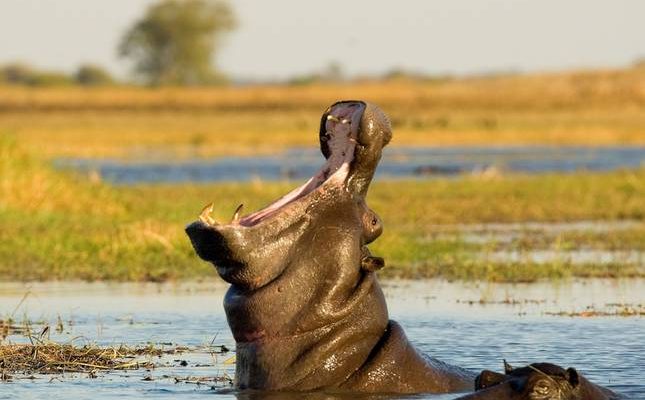
    • Hippo pool — large pods in the permanent pools along the Munge River; territorial males displaying
    Cultural moment — Maasai cattle inside the crater
    The Ngorongoro Conservation Area uniquely allows Maasai pastoralists to graze their cattle inside the crater alongside the wildlife — a co-existence arrangement since the Maasai were displaced from the Serengeti in 1959. Seeing a Maasai warrior in red shuka herding cattle past a lion pride on the crater floor is one of the most extraordinary cultural-wildlife juxtapositions in Africa.
    • Bush picnic lunch on the crater floor — under an acacia tree while zebra and wildebeest graze 20 metres away
    • Lerai Forest afternoon — yellow fever trees, elephant, leopard, and vervet monkeys in the shaded southern forest
    • Cheetah on the short-grass plains — the crater's cheetah are highly visible in the afternoon on the open grassland
    • Ascend the crater wall by 4:00pm — looking back down as the crater floor glows amber below
    Second crater rim night
    Same crater rim lodge (Day 6)
    Two rim nights allows a full uninterrupted crater day · Evening crater rim walk with guide before dinner · Fireplace dinner in the lodge
    Alternative
    Highlands Ngorongoro
    Boutique · 8 cottages only · Farm-to-table food · Very intimate · Full board ·
    · Perfect for those preferring smaller camps
    ★★★★★
    Butler breakfast (deck)Crater floor picnicDinner (lodge incl.)
    Ngorongoro → Serengeti — The Endless Plains
    ~145km west · Via Olduvai Gorge · Enter the Great Migration route
    Olduvai GorgeMigration herdsSerengeti camp
    Olduvai Gorge — the "Cradle of Mankind." Mary and Louis Leakey excavated this dramatic 90m deep gorge from 1931, uncovering 1.8 million-year-old stone tools, and Australopithecus and Homo habilis fossils. The site fundamentally changed our understanding of human origins — we are African. A 30-minute guided tour of the museum here is one of the most intellectually powerful stops on the entire 15 days.
    • Morning: stop at Olduvai Gorge Museum (en route to Serengeti, 30–45 min) — guided walk to the gorge edge and museum displays of original excavation finds
    • Continue west — the road descends from the highlands and the Serengeti plains open up ahead, impossibly vast
    • Enter Serengeti NP at Naabi Hill Gate — game driving begins immediately from the gate
    • Naabi Hill viewpoint — 360-degree view over the southern plains with wildebeest herds visible to every horizon
    • Seronera Valley arrival game drive — the central Serengeti's river system is Africa's best year-round big cat territory
    • Simba Kopjes — granite outcrops where lion prides lounge surveying their territory; the classic Serengeti image
    • Seronera River leopard — large leopards rest in the sausage trees along the river; your guide knows the current territories
    • First wildebeest columns — massive herds moving across the plains, position dependent on season
    Luxury Camp
    Four Seasons Safari Lodge Serengeti
    Central Serengeti · Pool with animal waterhole · Spa · Full board ·
    · Wildlife visit the waterhole daily including elephant
    ★★★★★
    Tented Camp · Mid-range
    Serengeti Serena Safari Lodge
    Central Serengeti hilltop · Pool · Full board ·
    · Excellent guiding · Outstanding location
    ★★★★★
    Breakfast (Ngorongoro)Olduvai picnic lunchDinner (Serengeti camp incl.)
    Full Serengeti Day — Hot Air Balloon & Big Cat Safari
    Pre-dawn balloon launch · Champagne breakfast · Full day game drives
    Balloon at dawnBig catsMigrationSerengeti camp
    Hot air balloon over the Serengeti — at 4:30am you drive in darkness to the launch site. The balloon inflates in the headlights. At first light, you lift off silently over Africa. One hour floating over lion prides, wildebeest columns, the silver ribbon of the Seronera River, and the most famous landscape on Earth. Ends with a champagne bush breakfast on the plains. $600/person — book months in advance.
    • 4:30am wake-up · transfer to balloon launch site · 1-hour flight at sunrise
    • Champagne landing toast · full gourmet bush breakfast on white linen in the field
    • Return to camp for mid-morning rest and brunch
    • Afternoon: follow the cheetah on the open Serengeti plains — mothers with cubs are a near-daily sighting in the central and eastern Serengeti
    • Wildebeest column positioning — your guide tracks where the main migration herds are moving for tomorrow's drives
    • Wild dog sighting attempt — the Serengeti has a small but recovering wild dog population; sightings are rare but possible in the eastern plains
    • Kopje bird circuit — bateleur eagle, secretary bird, kori bustard, and the superb starling on and around the granite outcrops
    • Sundowner: guide sets up drinks on a private kopje overlooking the endless plains
    Second Serengeti night
    Same Serengeti camp (Day 8)
    Two nights in the Serengeti without moving · Request a private bush dinner for the balloon evening — many camps can arrange a lantern-lit table in the bush
    Premium alternative
    Asilia Namiri Plains
    Eastern Serengeti · Only 8 tents · Exclusive cheetah territory · No other vehicles allowed ·
    · Most exclusive Serengeti experience
    ★★★★★
    Champagne bush breakfastBrunch (camp)Private bush dinner
    Serengeti migration timing: The wildebeest are somewhere in the Serengeti ecosystem year-round. December–March: calving in the south (dramatic predator action). June–July: herds moving north through central Serengeti. August–October: Mara River crossings in the north. Ask your operator to position your camp close to the current migration concentration for your specific travel dates.
    Serengeti → Fly to Dar es Salaam — Coastal Transition
    Final morning drive · Charter flight to Dar · Indian Ocean coast arrival
    Final game driveCharter flightDar es Salaam
    • Final dawn game drive (5:30am departure) — make the most of the golden hour on the plains
    • Return to camp by 9:30am — pack, say goodbye to the bush team
    • Transfer to Serengeti airstrip — charter flight to Dar es Salaam (via Arusha or Kilimanjaro, ~2–3 hrs total)
    Dar es Salaam — Tanzania's largest city and commercial capital, a thriving Indian Ocean port city of 7 million people. "Dar" means "Haven of Peace" in Arabic — a name reflecting its Swahili-Arab-Indian trading history. The city's energy, food culture, and waterfront are a vivid contrast to the bush you have just left.
    • Check in to waterfront hotel — fresh clothes and a cold drink looking over the Indian Ocean harbour
    • Afternoon: Makumbusho Village Museum — outdoor ethnographic museum with reconstructed traditional houses from all of Tanzania's ethnic groups; an excellent cultural overview
    • Fish market at Kivukoni Front (arrive before 4pm) — the largest fish market on the East African coast; fresh tuna, kingfish, octopus, and lobster sold directly from the boats
    • Evening: Dar es Salaam waterfront walk along the Msasani Bay area — a thriving restaurant and bar scene with excellent fresh seafood
    Hotel · Dar es Salaam
    Hyatt Regency Dar es Salaam
    On the harbour waterfront · Pool · Multiple restaurants · Spa ·
    · Best location in Dar for harbour views
    ★★★★★
    Boutique · Alternative
    The Slipway Hotel
    Msasani Bay · Waterfront setting · Good restaurant · Pool ·
    · More intimate feel · Walking distance to Msasani restaurants
    ★★★★
    Bush breakfast (Serengeti)In-flight snackDar waterfront dinner
    ar es Salaam → Bagamoyo — Swahili Slave Trade Heritage
    ~75km north of Dar · UNESCO tentative list · 13th-century Swahili town
    Bagamoyo Old TownSlave trade historyGerman colonial era
    Bagamoyo — once the most important trading town on the East African coast, Bagamoyo ("lay down your heart" in Swahili) was the final stopping point before enslaved Africans were loaded onto dhows for Zanzibar and beyond. It was also the starting point of the great inland expeditions — David Livingstone's body was brought here before being shipped to England, and Henry Morton Stanley began his Congo expedition from this beach. Walking these streets is walking through the hinge of African history.
    • Drive north from Dar along the Bagamoyo road (~1.5 hrs) — mangrove estuaries and coconut plantations line the coast
    • Bagamoyo Old Town walking tour with a local guide (2–3 hrs) — narrow coral stone streets, carved wooden doors, and Arabic architecture dating to the 13th century
    • Holy Ghost Mission (1868) — the oldest Catholic church in mainland Tanzania; Father Horner's grave, Livingstone's resting chapel, and the dramatic story of the anti-slavery mission
    • Slave trade memorial and caravanserai ruins — the holding pens where captives waited before the dhow crossing to Zanzibar
    • German colonial boma (1897) — Tanzania's first colonial administrative headquarters, now a research centre; the original prison cells and courthouse
    • Bagamoyo Arts College (Chuo cha Sanaa) — one of East Africa's most important performing arts schools; afternoon dance and drumming rehearsals are open to visitors
    • Beach walk at Bagamoyo — the same beach from which enslaved people departed, now a quiet Indian Ocean shore with fishing canoes
    • Return to Dar es Salaam for the night
    Hotel · Dar (second night)
    Hyatt Regency Dar es Salaam
    Return to same hotel · Store luggage whilst in Bagamoyo · Late dinner at the waterfront restaurant
    Stay in Bagamoyo option
    Firefly Bagamoyo
    Charming boutique hotel inside Bagamoyo Old Town · Swahili architecture · Garden ·
    · Most atmospheric stay on the mainland coast
    ★★★★
    Hotel breakfastBagamoyo local lunchDar waterfront dinner
    Bagamoyo timing: Visit Bagamoyo on a weekday if possible — the Chuo cha Sanaa (Arts College) rehearsals happen Monday through Friday and are one of the most vibrant cultural experiences on the mainland coast. Weekend visits miss the performing arts element entirely.
    Dar es Salaam → Zanzibar — The Spice Island
    25-min flight or 2-hr fast ferry · Stone Town arrival · Rooftop dinner
    Fly or ferryStone TownUNESCO Heritage
    Two ways to reach Zanzibar: A 25-minute flight from Julius Nyerere Airport to Zanzibar International (ZNZ) is the fastest option (~$80–120 one way). Alternatively, the Azam Marine fast ferry from Dar es Salaam harbour takes 2 hours and gives spectacular Indian Ocean views — a wonderful way to arrive by sea, as traders, sultans, and explorers did for centuries.
    • Morning flight or early ferry to Zanzibar (Azam Marine departs 7:00am and 10:00am from Dar harbour)
    • Arrive Stone Town by midday — transfer to boutique hotel in the Old Town
    • First walk through Stone Town after lunch — get lost in the labyrinthine streets, which is exactly as it should be
    • Old Fort (Ngome Kongwe) — 17th-century Arab fort now housing craft workshops and an open-air theatre
    • Freddie Mercury's childhood home in the Shangani quarter — a plaque marks the house where Farrokh Bulsara grew up
    • Forodhani Gardens night food market (from 6pm) — Stone Town's famous open-air waterfront market; Zanzibari pizza, Urojo soup, sugar cane juice, grilled octopus, and fresh-squeezed passion fruit juice all for a few thousand shillings
    • Emerson Spice rooftop dinner — Swahili cuisine in a rooftop setting overlooking the ancient city as the call to prayer rises from the mosques below
    Boutique Hotel · Stone Town
    Emerson Spice Hotel
    15th-century coral building · Four-poster beds · Zanzibar antiques · Rooftop restaurant ·
    · Most atmospheric in Zanzibar
    ★★★★★
    Hotel · Luxury
    Park Hyatt Zanzibar
    Seafront · Pool · Spa · Sea-view suites ·
    · Full resort amenities in a Stone Town setting
    ★★★★★
    Dar hotel breakfastStone Town lunchForodhani market dinner
    .
    Zanzibar — Spice Tour, Stone Town Deep Dive & Sunset Dhow
    Full Stone Town cultural day · Spice farm · UNESCO walking tour · Dhow cruise
    Spice farmStone Town walkSunset dhow
    Zanzibar spice tour — Zanzibar supplies roughly 75% of the world's cloves. The island also grows vanilla, cardamom, cinnamon, black pepper, nutmeg, lemongrass, and turmeric. A spice farm tour (1.5 hrs) lets you touch, smell, and taste all of these growing on the tree — an extraordinary sensory experience that completely changes how you think about your kitchen.
    • Morning spice farm tour at a working farm north of Stone Town (~$15–20/person)
    • Try jackfruit, starfruit, breadfruit, and soursop fresh from the tree
    • Watch guides climb coconut palms to harvest green coconuts — drink the milk directly from the shell
    • Private guided walk through Stone Town's key cultural sites (3 hrs with a local Zanzibari guide)
    • House of Wonders (Beit el Ajaib) — the Sultan's ceremonial palace, once the tallest building in East Africa; now a cultural museum
    • Old Slave Market and Anglican Cathedral — built deliberately on the site of the last Arab slave market (closed 1873); the altar stands where the whipping post once stood
    • The carved wooden doors — over 500 unique examples in Stone Town; the number of chains and spikes on a door indicated the owner's wealth
    • Hamamni Persian Baths — 19th-century public bathhouse built by Sultan Barghash; still structurally intact
    • Darajani Market — Stone Town's covered market; fresh fish from the morning catch, vegetables from the spice farms, and the sounds of a centuries-old trading town
    • Traditional Zanzibari wooden dhow cruise departing Stone Town waterfront at 5:30pm (1.5 hrs, ~$25–40/person)
    • Sail the Indian Ocean as the ancient city glows amber behind you — fresh sea breeze, cocktails, and the silhouette of dhow masts against the sunset
    • Dinner at The House of Spices or Emerson Spice — Swahili feast of pilau rice, coconut fish curry, and cardamom chai
    Second Stone Town night
    Same Stone Town hotel (Day 12)
    Two nights in Stone Town — no rush on the cultural day · Request a room with a street view or rooftop access for the muezzin at dawn
    Switch to beach tomorrow
    Pre-book beach resort for nights 14–15
    Pack tonight for the beach · Transfer to Nungwi or Kendwa tomorrow morning · Leave heavy cultural luggage at Stone Town hotel storage if needed
    Hotel break fast Spice farm lunch Swahili dinner (Stone Town)
    Zanzibar North Coast — Beach, Ocean & Departure
    Nungwi or Kendwa · Indian Ocean · Mnemba Atoll · Final departure
    Beach resortMnemba snorkellingTurtle sanctuaryDeparture
    • Check out of Stone Town after breakfast — 1-hour transfer north to Nungwi or Kendwa beach
    • Check in to beach resort — powdery white sand, turquoise Indian Ocean, and the sound of nothing but waves
    • Afternoon snorkelling from the beach — the house reef at Nungwi has corals, parrot fish, and moray eels within swimming distance of shore
    • Nungwi Sea Turtle Sanctuary — a conservation project rehabilitating green and hawksbill turtles before release; you can swim with them in a natural seawater enclosure
    Mnemba Atoll — a protected marine reserve 3km offshore from northeast Zanzibar, consistently rated one of the Indian Ocean's top 10 snorkelling and diving destinations. Green sea turtles, white-tip reef sharks, manta rays, dolphins, and extraordinary coral gardens in 8–15m of crystal-clear water. Half-day boat trip from Nungwi (~$50–80/person).
    • Half-day snorkelling trip to Mnemba Atoll — depart by boat at 9:00am (2.5 hrs of snorkelling, return by 1:30pm)
    • Dolphin cruise at Kizimkazi (south coast, day trip option) — swim with wild spinner and bottlenose dolphins
    • Couples spa at the beach resort — Swahili treatments using clove oil, coconut, and ylang-ylang
    • Sunset beach walk along the Nungwi shore — watch the dhow fishermen bring in the afternoon catch as the sky turns pink
    • Final sunrise swim in the Indian Ocean — the warm (27°C) water at dawn, before anyone else is awake
    • Last Zanzibari breakfast — fresh fruit, coconut bread, and black chai spiced with cardamom
    • Request late checkout (noon) if flight is afternoon — most resorts accommodate this
    • Transfer to Zanzibar International Airport (ZNZ) — 30–40 min from Nungwi
    • Last purchases at the airport: Zanzibar vanilla pods, clove oil, local coffee, and kanga fabric
    • International connections: Kenya Airways (Nairobi), Ethiopian Airlines (Addis), Qatar Airways (Doha), or direct charters
    Beach Resort · Luxury
    Zuri Zanzibar (Kendwa)
    Boutique cliffside resort · Infinity pool over the ocean · Private beach · Excellent restaurant · Spa ·
    · Best resort on the north coast
    ★★★★★
    Beach Resort · Mid-range
    Nungwi Inn (Nungwi)
    Right on the beach · Pool · Water sports centre · Good restaurant ·
    · Excellent value · Best for snorkelling access
    ★★★★
    All breakfasts (resort)Beach lunchesSeafood beach dinner (Day 14)
    Zanzibar in context: The Forodhani Gardens night market on your first Stone Town evening is one of the most culturally immersive food experiences in East Africa — eat there, not at a tourist restaurant. A plate of Zanzibar mix (cassava chips, samosas, bhajia, and sugar cane juice) costs less than $2 and is extraordinary. This is Zanzibar at its most authentic.

Include Features

Exclude Features

  • 15 days of adventure
  • Memorable sights and experiences