Unforgettable Shoebill and Equator Tour
Shoebill and Equator Tour in Uganda, this experience combines two fascinating attractions into one exciting day. You can begin your adventure at Mabamba Swamp, one of Uganda’s remarkable wetland destinations, before continuing toward the Equator for an unforgettable cultural and geographical experience.
The Shoebill and Equator Tour is ideal for travelers staying in Entebbe or Kampala who want to experience Uganda’s wildlife, birdlife, scenery and culture without committing to a long safari.
Mabamba Swamp is particularly famous for the shoebill, a large and distinctive wetland bird. Uganda Wildlife Authority records Mabamba as an important wetland site where the shoebill has been recorded. (Uganda Wildlife Authority)
After exploring the wetland, your journey can continue toward the Uganda Equator, where you can stand at the geographical line separating the Northern and Southern Hemispheres.
With Twija Africa Safaris, this day tour can be customized around your hotel, flight schedule, interests and available time.
Table of Contents
- Why Choose a Shoebill and Equator Tour?
- Discover Mabamba Swamp
- Search for the Shoebill
- Birdwatching at Mabamba
- Experience the Uganda Equator
- What to Expect on the Tour
- Suggested Shoebill and Equator Tour Itinerary
- Best Time for the Tour
- What to Bring
- Why Book With Twija Africa Safaris?
- Frequently Asked Questions
- Plan Your Shoebill and Equator Tour
1. Why Choose a Shoebill and Equator Tour?
The Shoebill and Equator Tour is an excellent way to combine nature, birdwatching, geography and culture in a single Uganda day trip.
Instead of spending your entire day traveling between distant destinations, this experience allows you to explore attractions that can work well together in a carefully planned itinerary.
The tour is particularly suitable for:
- First-time visitors to Uganda
- Birdwatchers
- Wildlife enthusiasts
- Couples
- Families
- Solo travelers
- Photographers
- Travelers with a short stopover in Uganda
- Visitors staying in Entebbe or Kampala
Uganda is internationally recognized for its exceptional bird diversity, with Uganda Wildlife Authority reporting more than 1,000 bird species. (Uganda Wildlife Authority)
This makes a Shoebill and Equator Tour a great introduction to Uganda’s natural attractions.
2. Discover Mabamba Swamp
The first major highlight of the Shoebill and Equator Tour is Mabamba Swamp.
Mabamba Bay is a wetland area on the shores of Lake Victoria, west of Kampala. Uganda Wildlife Authority describes the area as extensive marshland dominated by papyrus, reeds, sedges and other wetland vegetation. (Uganda Wildlife Authority)
The wetland is best explored by boat, allowing visitors to move through the channels while searching for birds.
The peaceful environment is very different from the busy streets of Kampala and provides an opportunity to experience one of Uganda’s important wetland ecosystems.
As your boat moves through the channels, keep your camera ready. You may encounter different wetland birds, depending on the conditions and season.
3. Search for the Shoebill
The star attraction of the Shoebill and Equator Tour is, of course, the shoebill.
The shoebill (Balaeniceps rex) is one of Africa’s most distinctive birds. Its enormous bill, tall body and prehistoric appearance make it particularly fascinating to birdwatchers and photographers.
Mabamba is recognized as an important shoebill site, and Uganda Wildlife Authority monitoring has recorded the species there. The same UWA report identifies the shoebill as globally vulnerable and nationally endangered in Uganda. (Uganda Wildlife Authority)
Because the shoebill is a wild animal, sightings cannot be guaranteed. Your guide and boat crew will search suitable areas and help you understand the wetland environment while looking for birds.
When a shoebill appears in the reeds, the experience can be extraordinary.
Photography tip: Bring a camera with a good zoom lens or binoculars. A shoebill may stand some distance from the boat, so optical reach can make a significant difference.
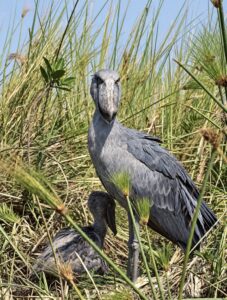
Sheobill and Equator tour
4. Birdwatching at Mabamba
A Shoebill and Equator Tour is not only about finding one bird.
Mabamba offers an opportunity to observe a variety of wetland species. Uganda Wildlife Authority monitoring at Mabamba recorded species including African Jacana, Pied Kingfisher and Yellow-billed Duck, among others. (Uganda Wildlife Authority)
Your guide can help identify birds and explain their behavior, habitat and importance to the ecosystem.
For travelers interested in bird photography, the combination of open water, papyrus vegetation and birdlife creates interesting photographic opportunities.
The experience is also enjoyable for travelers who are not expert birdwatchers. You do not need to know the names of every bird before starting the tour.
Your guide can help you learn along the way.
5. Experience the Uganda Equator
After Mabamba, continue your Shoebill and Equator Tour toward the Equator.
The Equator experience provides an opportunity to learn about geography while enjoying the surrounding attractions, shops, restaurants and craft stalls.
One of the most popular activities is taking photographs at the Equator monument.
It is a simple but memorable travel moment: standing with one foot in the Northern Hemisphere and the other in the Southern Hemisphere.
Visitors can also explore locally made crafts and souvenirs, depending on the location and operating conditions on the day.
The Equator stop can therefore add a cultural and shopping element to your wildlife-focused morning.
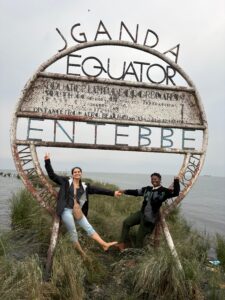
Equator Tour
6. What to Expect on the Shoebill and Equator Tour
A typical Shoebill and Equator Tour with Twija Africa Safaris can include:
Morning pickup
Your guide can pick you up from your hotel in Entebbe or Kampala, or another agreed location.
Transfer to Mabamba
Travel toward Mabamba and proceed to the landing site for the boat experience.
Mabamba boat excursion
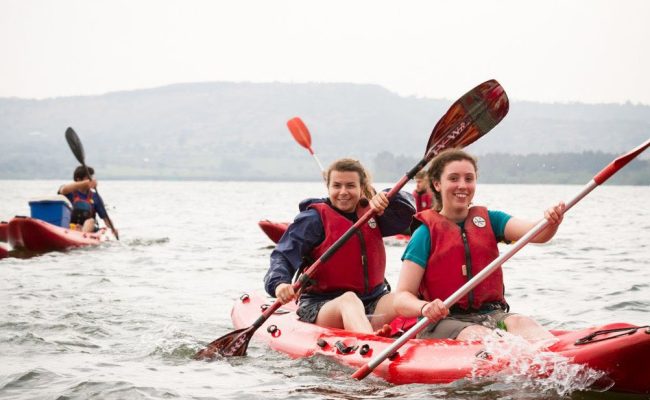
Board a motorized canoe and explore the wetland channels while searching for the shoebill and other bird species.
Birdwatching and photography
Spend time observing and photographing birds with assistance from your guide.
Lunch
Depending on your preferred itinerary, lunch can be arranged before or after continuing toward the Equator.
Equator experience
Continue to the Uganda Equator for photographs, sightseeing, shopping and a geographical experience.
Return journey
After exploring the Equator, begin your return journey to Kampala, Entebbe or your preferred drop-off point.
7. Suggested Shoebill and Equator Tour Itinerary
7:00 AM – Hotel Pickup
Meet your Twija Africa Safaris guide at your hotel or agreed pickup point.
The exact departure time can be adjusted according to your location and preferred schedule.
8:00 AM – Arrive at Mabamba Area
Proceed to the landing site and prepare for the wetland excursion.
8:30 AM – Mabamba Swamp Boat Tour
Board the boat and begin your search for the shoebill.
Explore the papyrus channels and observe other wetland birds.
11:00 AM – Return to the Landing Site
After the birdwatching experience, return to the landing site and continue your journey.
12:30 PM – Lunch
Enjoy lunch at a suitable restaurant or arranged location.
2:00 PM – Travel to the Equator
Continue your journey toward the Uganda Equator.
3:00 PM – Equator Experience
Take photographs, learn about the Equator and explore the available craft shops and local attractions.
4:00 PM – Return Journey
Begin the journey back to Kampala or Entebbe.
Note: Times can be adjusted depending on traffic, weather, pickup location and the length of time spent at Mabamba.
8. Best Time for a Shoebill and Equator Tour
A Shoebill and Equator Tour can be arranged throughout the year.
However, birdwatching conditions can vary according to weather, water levels and bird movements.
The most important thing to remember is that the shoebill is a wild bird. Sightings are never guaranteed.
Responsible tourism is particularly important at wetlands such as Mabamba. Visitors should follow their guide’s instructions, avoid disturbing birds and help protect the wetland environment.
Uganda Wildlife Authority emphasizes sustainable wildlife management and conservation in partnership with communities and other stakeholders. (Uganda Wildlife Authority)
9. What to Bring
For your Shoebill and Equator Tour, we recommend bringing:
- Binoculars
- Camera
- Extra batteries or power bank
- Hat or cap
- Sunscreen
- Sunglasses
- Comfortable clothing
- Comfortable walking shoes
- Light rain jacket
- Drinking water
- Insect repellent
- Cash for souvenirs and personal purchases
For bird photographers, a camera with a zoom lens is particularly useful.
10. Why Book With Twija Africa Safaris?
At Twija Africa Safaris, we aim to make your Uganda travel experience comfortable, flexible and memorable.
Our tours can be customized according to your interests, budget and schedule.
Whether you are interested in birdwatching, wildlife, culture, photography or short Uganda day trips, our team can help organize an experience around your travel plans.
We can arrange:
- Hotel pickup and drop-off
- Private transportation
- Professional local guide
- Mabamba boat excursion
- Equator visit
- Birdwatching experiences
- Lunch arrangements
- Customized itineraries
- Multi-day Uganda safaris
You can also combine the Shoebill and Equator Tour with other Uganda experiences, including Kampala city tours, Jinja and the Source of the Nile, chimpanzee trekking, gorilla trekking and longer wildlife safaris.
11. Frequently Asked Questions
How long is the Shoebill and Equator Tour?
A full-day itinerary is recommended so that you have enough time for the Mabamba boat experience and the Equator visit without rushing.
Can I see the shoebill at Mabamba?
Mabamba is an important shoebill site, but sightings are not guaranteed because the bird is wild. UWA records the shoebill among the species of conservation concern found at Mabamba. (Uganda Wildlife Authority)
Is the tour suitable for families?
Yes. The experience can be suitable for families, couples, solo travelers and groups. The itinerary can be adjusted to suit your needs.
Can I start the tour from Entebbe?
Yes. Entebbe is a convenient starting point for a Mabamba and Equator experience, depending on your itinerary.
Can I start from Kampala?
Yes. Twija Africa Safaris can organize pickup from Kampala and arrange transportation to Mabamba and the Equator.
What happens if it rains?
The itinerary can be adjusted according to weather and safety conditions. Your guide will advise you on the best approach on the day.
Can I combine the tour with other Uganda activities?
Yes. You can combine the experience with Kampala sightseeing, Entebbe attractions, Jinja, the Source of the Nile or a longer Uganda safari.
12. Plan Your Shoebill and Equator Tour
A visit to Uganda does not always require a week-long safari to create unforgettable memories.
The Shoebill and Equator Tour brings together Uganda’s remarkable wetland birdlife and one of the country’s most popular geographical attractions in one carefully planned experience.
From quietly moving through the papyrus channels of Mabamba in search of the remarkable shoebill to standing at the Equator and taking memorable photographs, the day offers a combination of wildlife, nature, geography and culture.
If you are staying in Kampala or Entebbe and have one free day, this is an excellent way to discover more of Uganda beyond the city.
Ready to explore Mabamba and the Equator? Contact Twija Africa Safaris to customize your Shoebill and Equator Tour according to your schedule and interests.
Recommended Internal Links for Your Twija Website
Add these as clickable links once the corresponding pages are published:
- Uganda Safaris →
/uganda-safaris/
- Kampala City Tour →
/kampala-city-tour/
- Entebbe Tours →
/entebbe-tours/
- Gorilla Trekking in Uganda →
/gorilla-trekking-uganda/
- Chimpanzee Trekking Uganda →
/chimpanzee-trekking-uganda/
- Source of the Nile Jinja Tour →
/source-of-the-nile-jinja/
- Uganda Birdwatching Tours →
/uganda-birdwatching-tours/
This creates useful internal connections between your blog and your commercial tour pages.
Recommended External DoFollow Links
For authoritative external references, link naturally to:
Important: In WordPress, don’t add nofollow to these normal informational links if you specifically want them to be DoFollow.
Image Plan for the Blog
I recommend using 4–5 images rather than one large block of text:
- Featured image: Shoebill in Mabamba Swamp
Alt: Shoebill and Equator Tour in Uganda
- Mabamba boat:
Alt: Mabamba Swamp shoebill tour Uganda
- Shoebill close-up:
Alt: Shoebill birdwatching Uganda
- Equator monument:
Alt: Uganda Equator tour
- Traveler at Mabamba/Equator:
Alt: Shoebill and Equator Tour with Twija Africa Safaris
For the strongest SEO setup, put the Focus Keyword in the featured-image alt text, but don’t use the exact same alt text on every image. Also make sure the images are compressed before uploading so they don’t slow down your WordPress site.
Suggested blog category
Uganda Tours / Birdwatching / Day Tours
Suggested tags
Shoebill Uganda, Mabamba Swamp, Equator Uganda, Uganda Birdwatching, Entebbe Tours, Kampala Day Tours, Uganda Wildlife, Twija Africa Safaris
This structure should give you a strong Rank Math foundation while keeping the article useful to actual travelers rather than simply repeating keywords.